

Delos isn’t just unusual. It’s like nowhere else on earth.
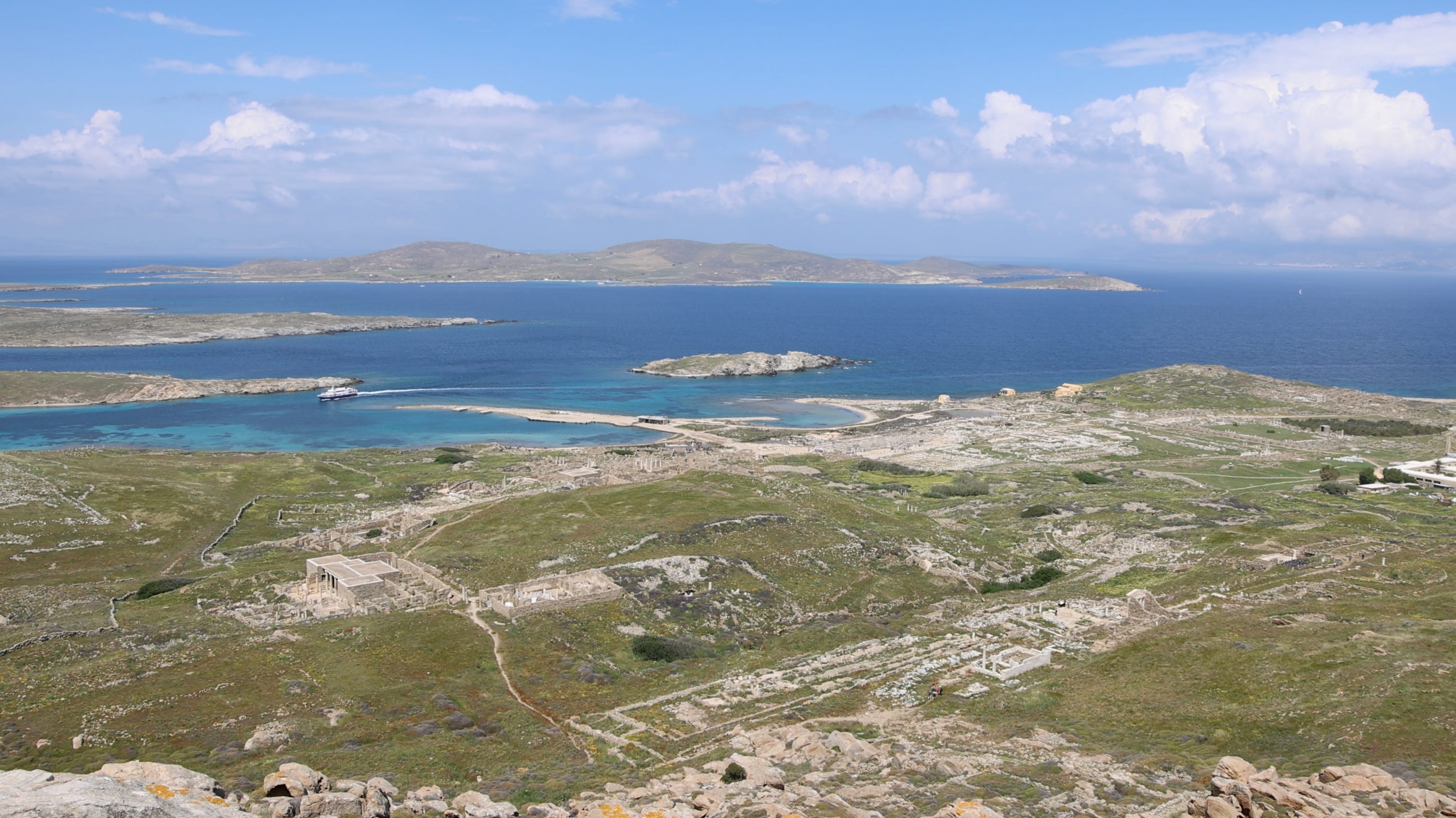
In its prime some twenty five hundred years ago this was sacred ground. One of those places where the veil thins between our world and the next. Ruled by shared tradition as much as the actual priesthood of Artemis and Apollo who oversaw habitation here, no one was permitted to die or be born. Pregnant women and people of old age would be removed to the adjacent island of Rhenia or further afield before any potential affront to the gods.
But just like other special places - the likes of Mecca, Gobekli Tepe, Cahuachi, Poverty Point and Stonehenge among them - people flocked. Travelling here en-masse from lands far away, both on festivals at certain times of the year, and at other times. Still today it holds a special reputation for the spiritual.
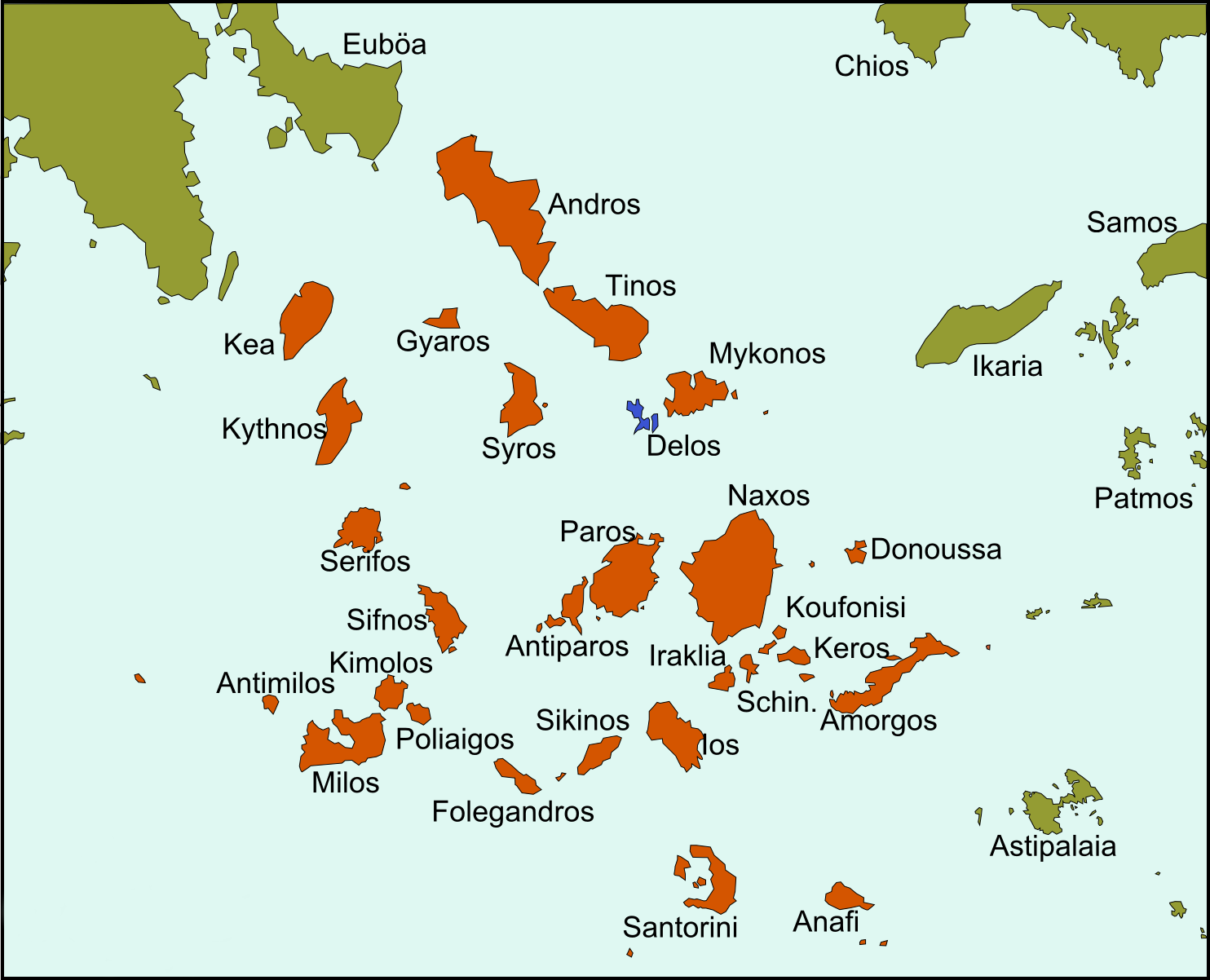
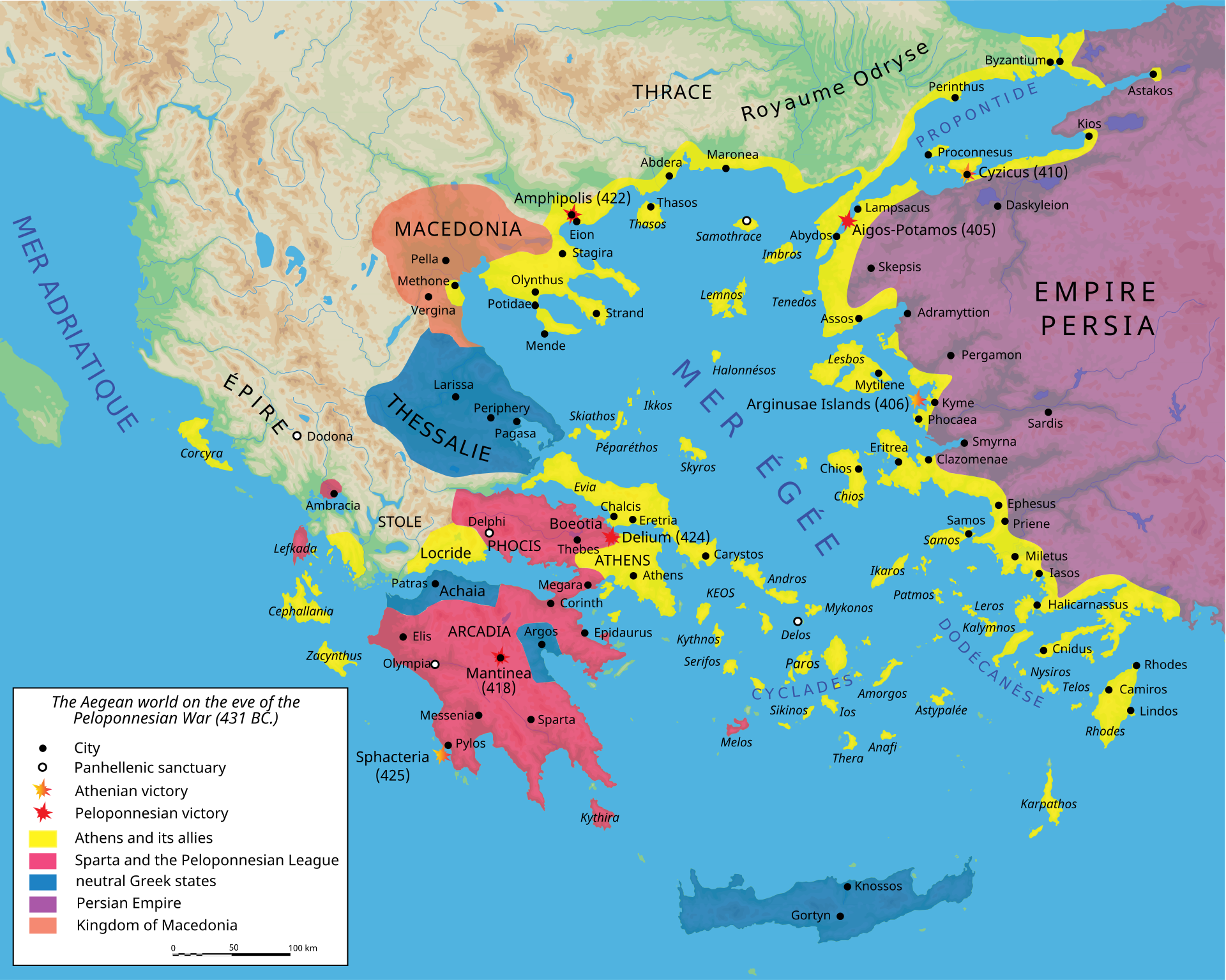
In the Classical Age and as early as the Archaic, Delos was fixed in place as one of the cardinal points in the world of the Greeks. Where the god twins Apollo and Artemis were said to have been born and could still be reasoned with by mortal men. As a site of utmost importance, Delos was up there with the other foremost centres of Delphi, Olympia and Dodona. Roughly situated at the centre of the Cycladic islands, their very name stems from their encirclement of this religious centre.
Unlike Olympia, where the legendary Heracles was said to have instigated the famous Olympic Games, the origins of Delos are shrouded in mystery. Talk of Hyperboreans coming down from distant lands beyond the north wind to leave offerings have long intrigued scholars, though in truth we have no idea where Hyperborea was. Ideas ranging from Central Asia to Nordic Bronze Age Scandinavia. Archaeological digs over the past 150 years have began to tell a new story backed up by all the science of the modern age, and yet raised so many more questions too.
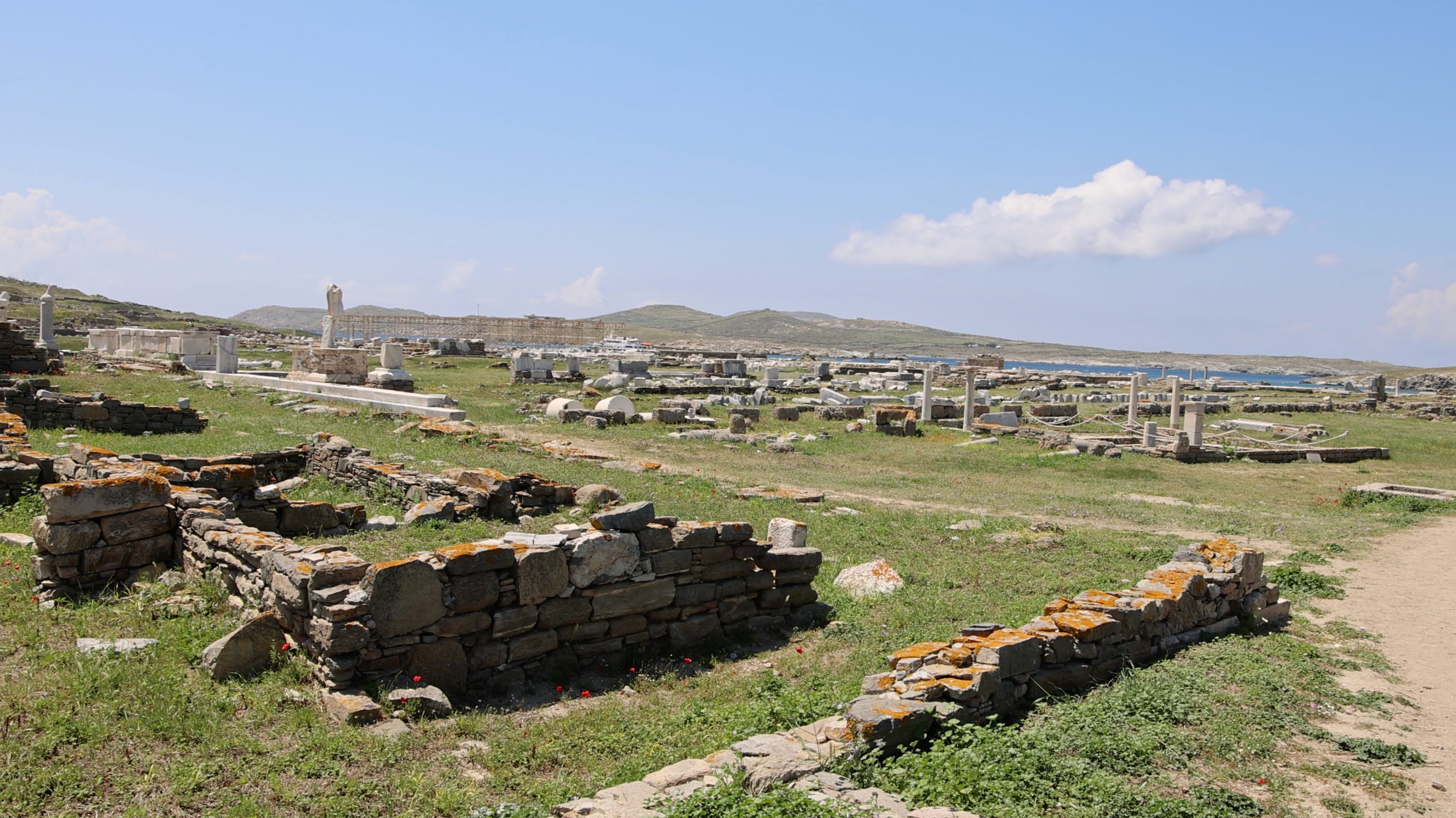
Above all, today, and for the last two thousand years, Delos has been a dead place. Its once verdant lagoon dried up. Most life besides lizards and feral goats gone. Remnants of the once thriving ancient city left forlorn. In its later days turned into a vast open air Roman slave market, with 10,000 said to have passed through daily in its prime, no one lives here now.
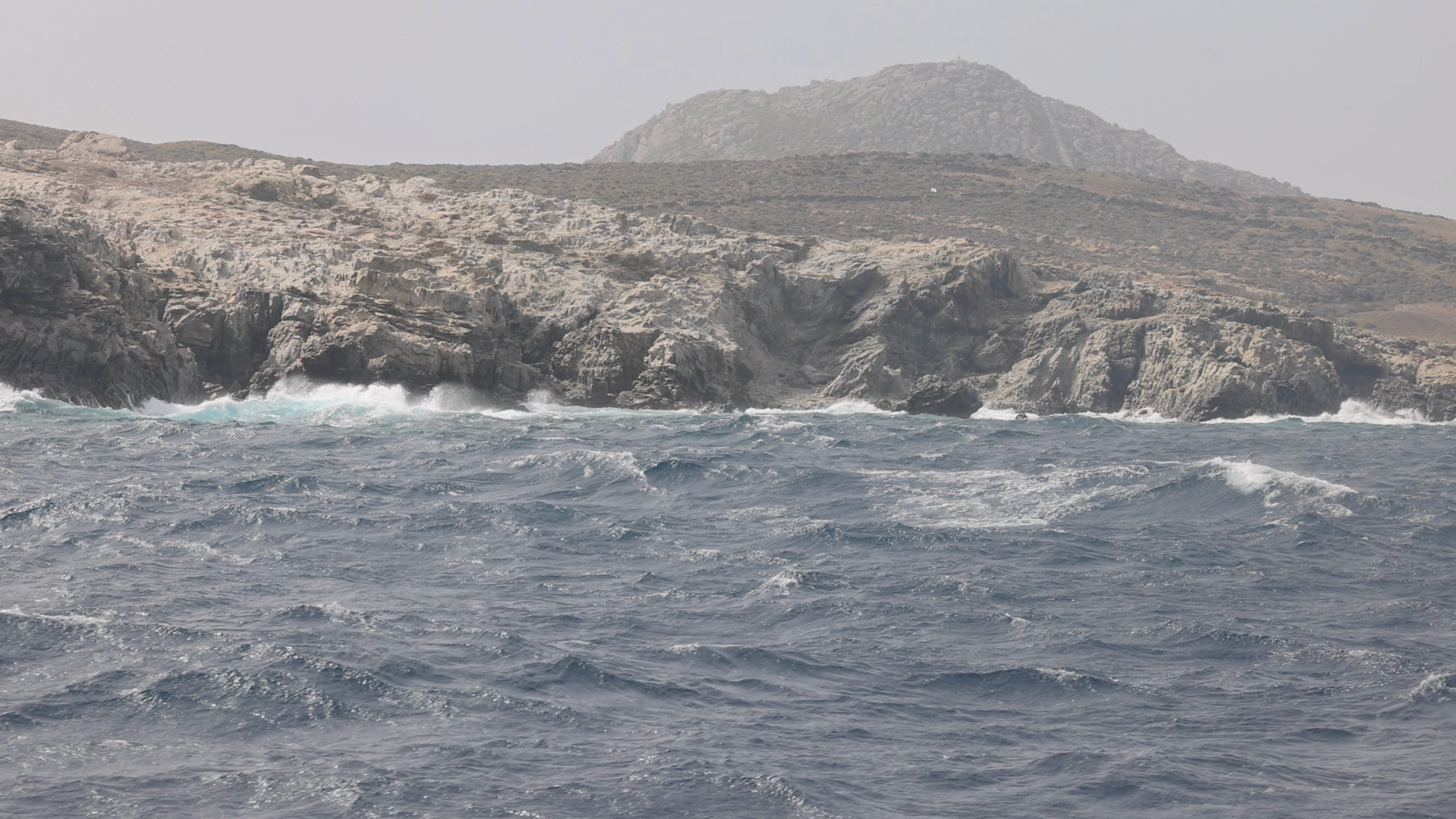
Howling surf batters the hull of the small ferry as we arrive in the gloom of an April morning. Persistent wind battering both us and the island on our approach, our small group of travellers get a brief sense of how difficult sea travel could be both now and in the ancient past.
Having arrived on the ‘big ferry’ to Mykonos the day before, I’d headed out first thing the next morning to go two boats deep. Like the similarly characterful ‘small ferry’ from Amorgos to Koufonisi - accessible only upon the completion of an initial journey on a larger boat - only the most persistent come here. The best kind of destination.
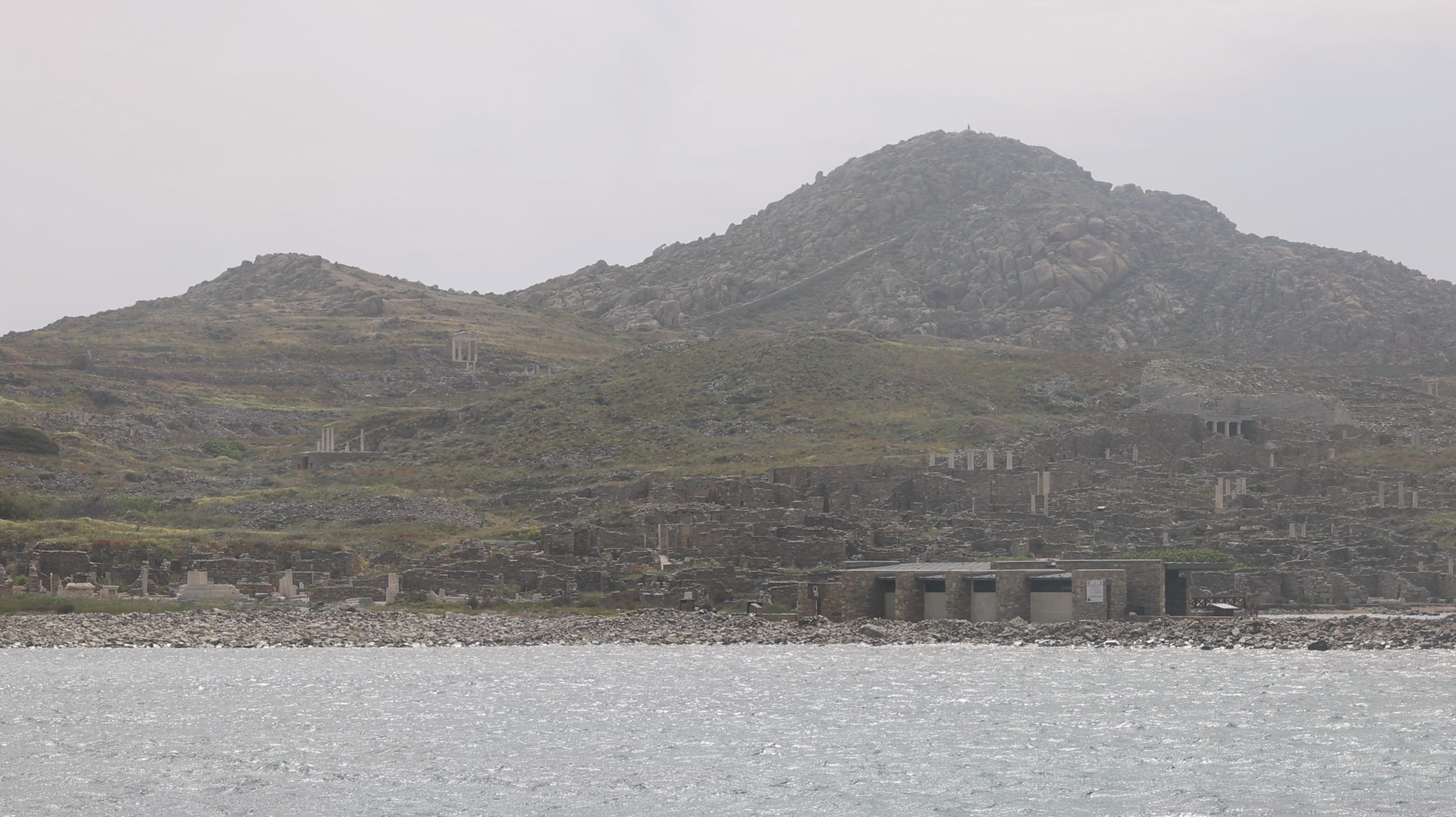
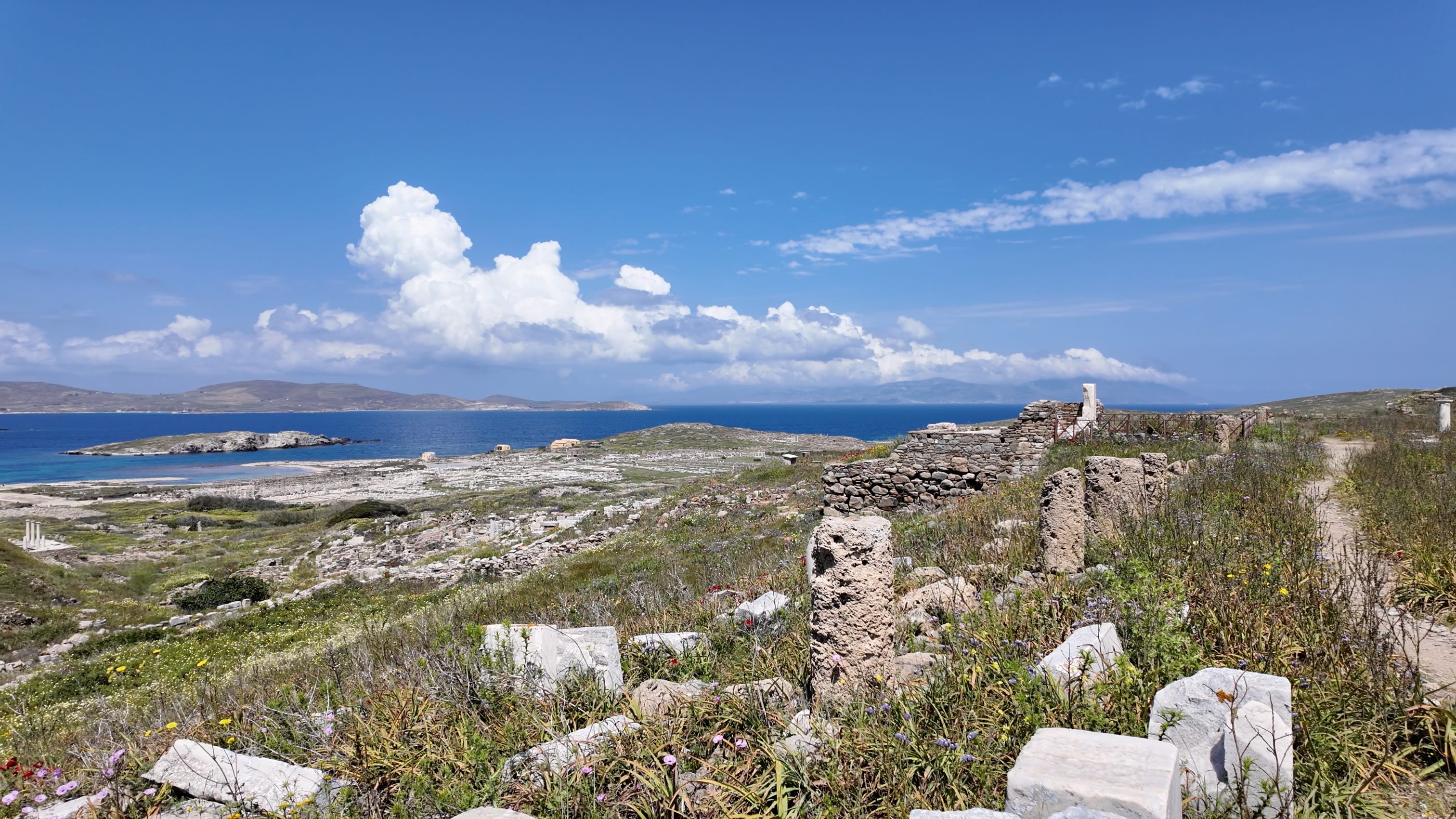
Passing by the tiny islets of Megalos and Mikros Rematiaris, the larger necropolis island of Rhenia careens into view. Its entire 17km surface coated with the graves of dead Delians, it still looks greener and more full of life than Delos today. Finally, the central mountain of Delos rises up, the same sight that would have greeted pilgrims from all those millennia ago. Visible from the nearby islands of Tinos and Mykonos, here stood not just a flourishing ancient city but remains from the Bronze Age long before.
On the slopes leading up to the summit stands of deities once stood, brought here as offerings from lands as far away as Egypt, Syria and Anatolia. All around, though barely perceptible today, are the remnants of the Mycenaean past too. For like many sites all across Greece, at Delphi, Dordona, Olympia, Epidaurus and most others, the classical remains have antecedents from the earlier mythic age of heroes at the very beginning of Ancient Greece. Through largely hidden underneath the sprawling remnants of the classical city, the more excavations are carried out, the more and more of the Mycenaean settlement is revealed. Yet still for the most part Delos keeps its secrets.
Considering it is nowhere more than 1300 metres wide, with a total area of only 6.85 kilometres the history and importance of the place is grossly bloated compared to its tiny size. Having taken part in pivotal epoch defining events over and over again, it is all the more strange considering its rocky and infertile soil with only a small cultivable valley in the north west where the sanctuaries of Apollo and Artemis once stood - the reason for the importance of the place. But there is a lot on Delos that is unexpected and strange. Always had been.
I - Travellers On The Spiral Sea
When early antiquarian Kyriakos of Ancona arrived on Delos in 1445, though the legacy of the place had never been forgotten, it was a forlorn island. Where once some 30,000 had called the place home, thriving and bustling with the goings on of commerce and ritual life, it was now entirely empty, save a handful of occasional shepards. Kyriakos, regarded by many as a ‘father of archaeology’ due to his investigations into antiquity, was well aware of its importance. The festival of Delia having been one of the major events in the Pan Hellenic World, second only to the Olympic and Pythian Games. Perhaps as visitors still do today he would have tried to imagine the horse races around the fields, dramatic performances in the theatre, musical and theatrical contests and vast feasts taking place every four years, when the population would swell to many times its usual size.
Still in his day, though the islands were blighted by pirates, both from the Catholic west and the Islamic east, the locals then living through some of the hardest times in their entire history, the place was coated in art and monumental architecture. Despite large amounts of marble being removed for construction projects on neighbouring islands, especially by the time Constantinople finally fell to the Turks in 1453, shattering the Eastern Orthodox world, huge amounts of physical evidence still remained. In many ways Delos having stood still, unchanged for over a thousand years.
There is a good argument that it was individuals like Kyriakos - who in a surviving work described and sketched the colossal statue of Apollo of the Naxians among other curiosities from the classical past - ultimately led and fed into the renaissance then just beginning to unfold in his native Italy, and soon the rest of Europe. For though he was the first, a whole slew of other travellers would soon arrive to marvel at the still visible ruins of those elder days.
By the 17th century, one of the new foremost powers in the Cyclades, the Venetians, arrived to load up one of the famous Delian Lions of the Archaic Era to take it back to their city, where it remains to this day. Other artefacts and sculptures were taken to Rome, England, and elsewhere, just as other pieces of marble continued to be removed to be used for construction work.
Finally in 1873 the first archaeologists of the new modern age arrived. Though still a new discipline, using relatively primitive methods at the time, like all the newly founded schools of archaeology in Athens, the French would nonetheless launch one of the most important and extensive digs in history, in large part amounting to the clearing and revealing of that great ancient city, rather than analysis and detailed dating, and there was a lot of clearing to do.
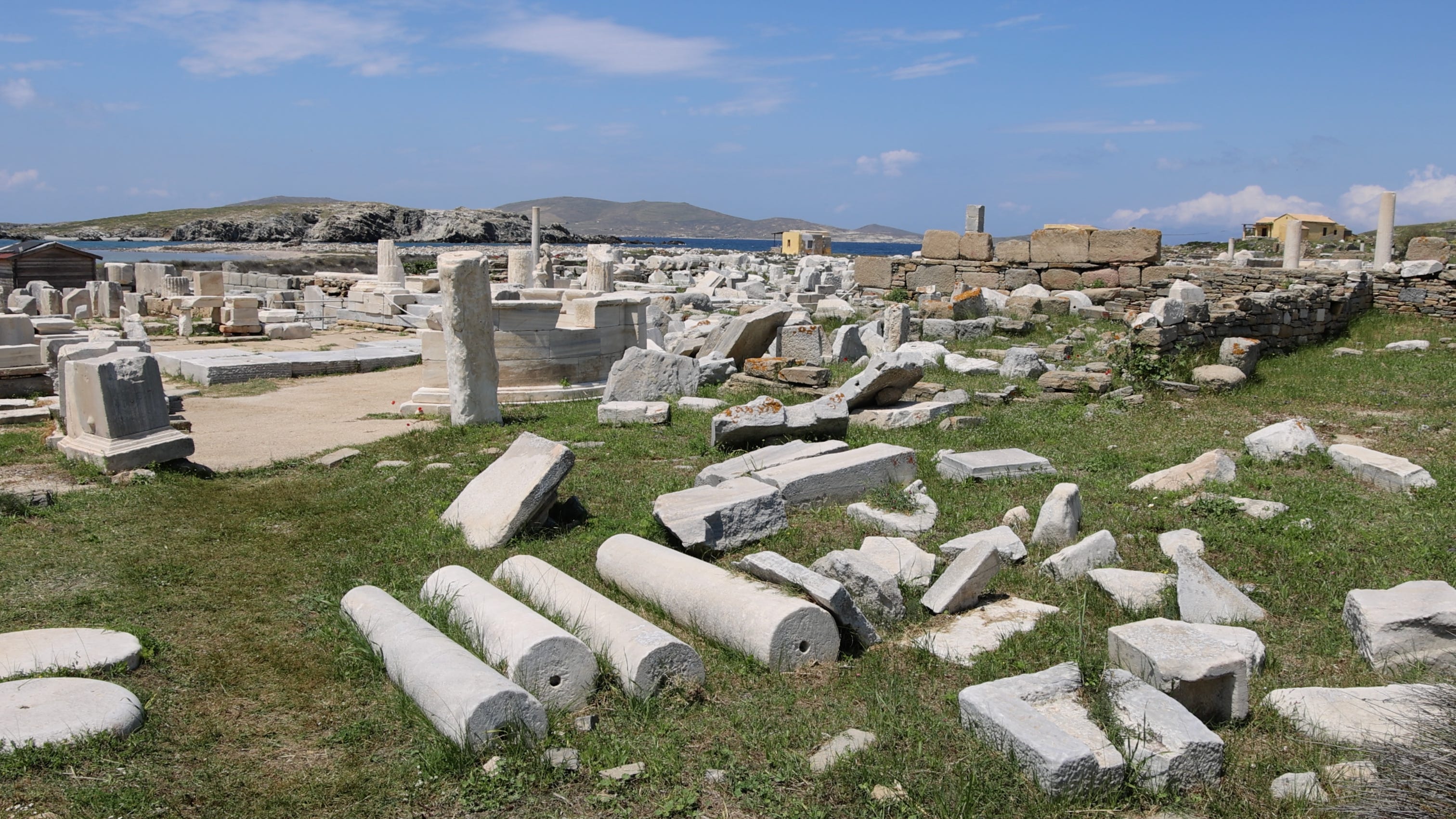
In 1904 a museum was founded on the island to store the wealth of uncovered artefacts and statues, such as the rest of the famous Archaic Lions. It remains one of the oldest in all of Greece. From then until 1914 the most substantial and significant excavations of all were undertaken. The lead archaeologists as well as conservationists and technicians working throughout the year, carrying out site conservation as well as restoration work in order to reduce the damage caused by removal of vegetation and to keep it accessible to visitors. In doing so they revealed the commercial, political and religious centres of the site, as well as many private houses of wealthy merchants and citizens. Many of which enjoyed the use of private wells in central courtyards, the water table of the island being relatively near the surface in a granite substructure, thus explaining why and how people lived here on a rocky barren island with no known spring.
There was a sacred lake too in those days, which had to be filled in 1925 due to its high risk of malaria. As well as a river at certain times of the year when rain water would flow down from the north west slopes of Mount Kythnos to form the River Inopos, which would be collected in a cistern at the bottom. Perhaps this was done as early as the Third Millennium BC when the first known inhabitants of the island made their homes on the rocky hillsides. Their ceramics can still be seen in the museum today.
Finally between 1958 and 1975 a new series of intense excavations were carried out, this time with radio carbon dating and modern techniques. A detailed chronology and story of the island was achieved.
II - Of Elder Days
As far as the ancient writers were concerned - their opinions being preserved in the works of the 5th Century BC writer Thucydides - the very first inhabitants of Delos were Carians and Phoenicians. The latter often used as a catch-all term to describe people the Greeks viewed as particularly old, illustrious and otherwise unexplainable. There is no real evidence for either in the archeology of Delos.
For the reality of the first Delians we must look upwards to the mountain peak which dominates the island - Mount Kythnos - first dug by the French in the late 1800s. Though those early pioneers weren’t entirely sure what they were looking at, little context then existing from other regions to corroborate it, it ultimately turned out that the fragments of prehistoric fortifications underneath and largely destroyed by the later classical remains dated from a time thousands of years even before the Delian festival, to the final centuries of the Third Millennium BC Cycladic Civilisation which once thrived throughout the Aegean.
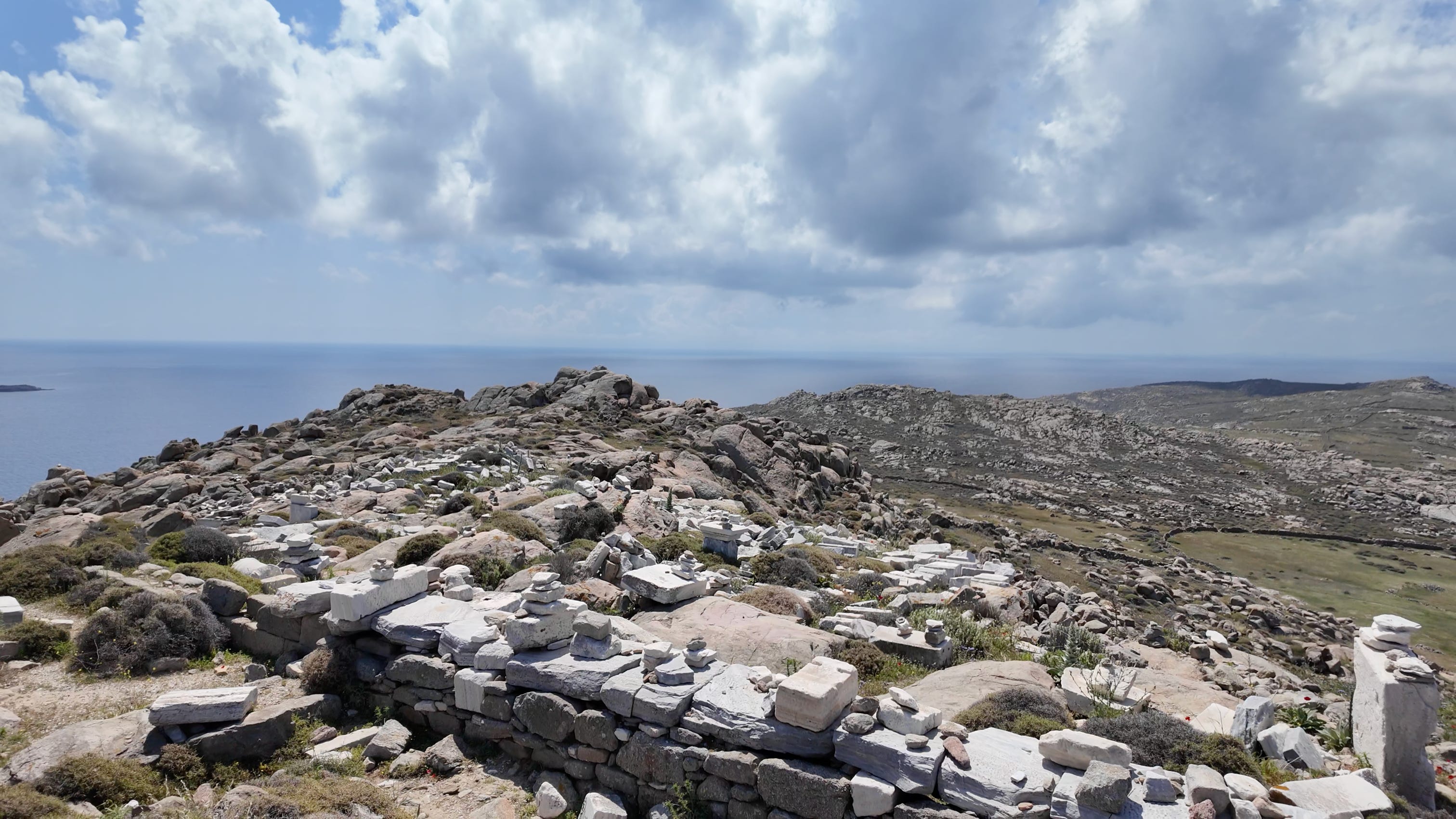
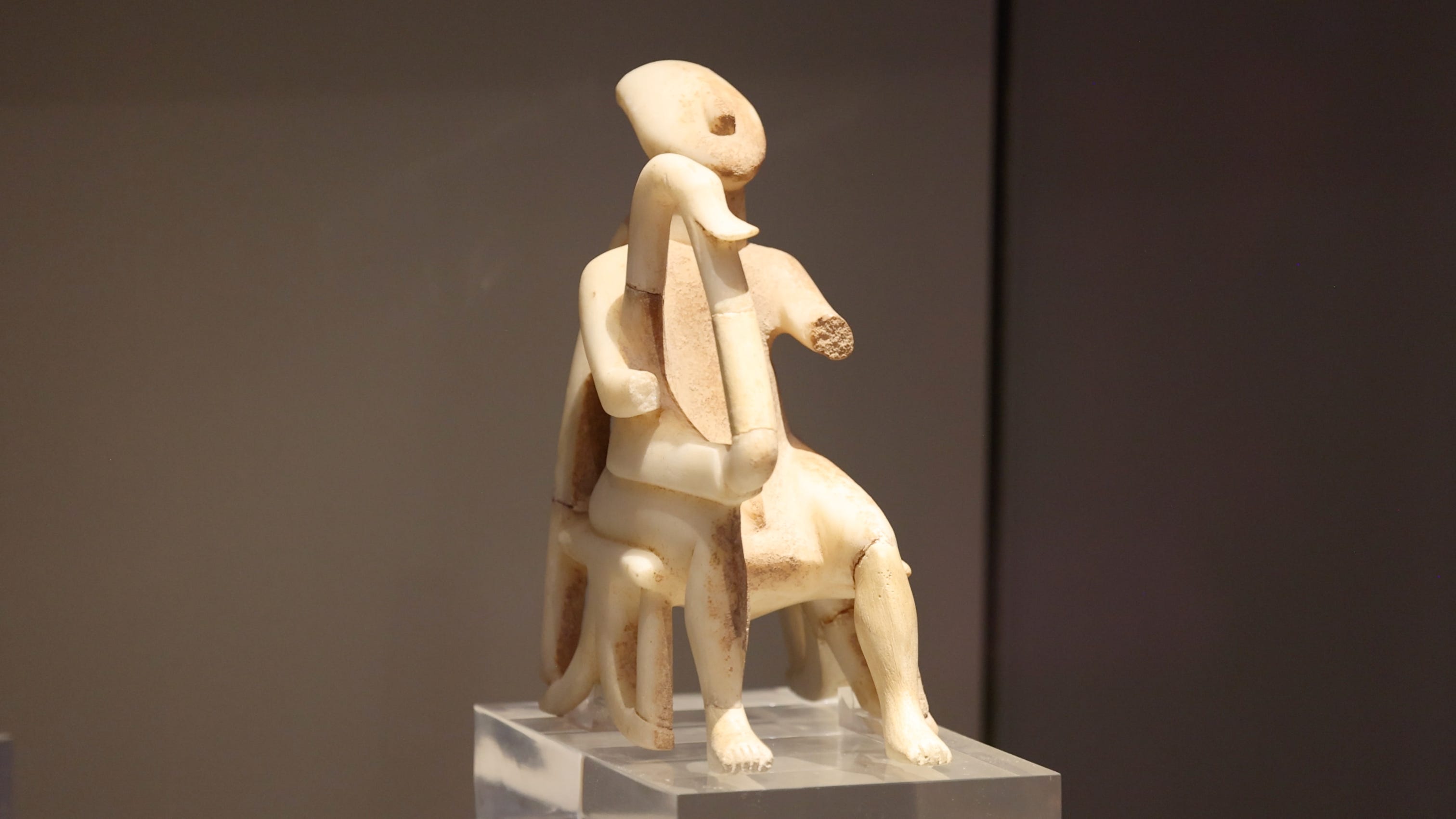
From around 2500 BC those earliest international seafarers of the region, famous for their ‘canonical’ folded-arm figurines seen in museums throughout the world, came to Delos to settle on the mountain peak. Here, some one hundred and thirteen metres above the plain below they enjoyed the maximum amount of visibility possible, allowing for their control of the modest fertile valley and sea around. Here they built oval huts and survived as best they could during what appears to be an age of upheaval and great change which followed the golden age of Cycladic civilisation, possibly with attacks being relatively common from the sea. In the 1970s eminent Archaeologist Sir Colin Renfrew first distinguished this so called ‘Kastri Period’ from the mature Cycladic Keros-Syros Culture of before. Unfortunately, the fate of these people is mysterious and simply not enough evidence exists at present to build an accurate picture. Though similar Kastri sites on Syros and Naxos were violently destroyed by around 2200 BC.
By the end of the Fifteenth Century BC a new people arrived. As part of a trend of westward movements into the Aegean, Crete and Asia Minor, Mycenaean seafarers out of the mainland were able to establish sovereignty. During this age of ocean-born expansion and pre-eminent in war, they felt secure enough to build their settlement not atop the highest peak but in the fertile little valley by the seashore. In 1946 when excavators worked at the Seventh Century BC Sanctuary of Artemis, in one corner they found Mycenaean bronze and gold artefacts as well as pottery sherds, burned bones and more. The Sanctuary of Apollo too, which reached its zenith in Archaic and Classical times, appeared to have been founded or at least seen some sort of establishment since the late Bronze Age, the vaunted age of Homer and the heroes of the Trojan War.
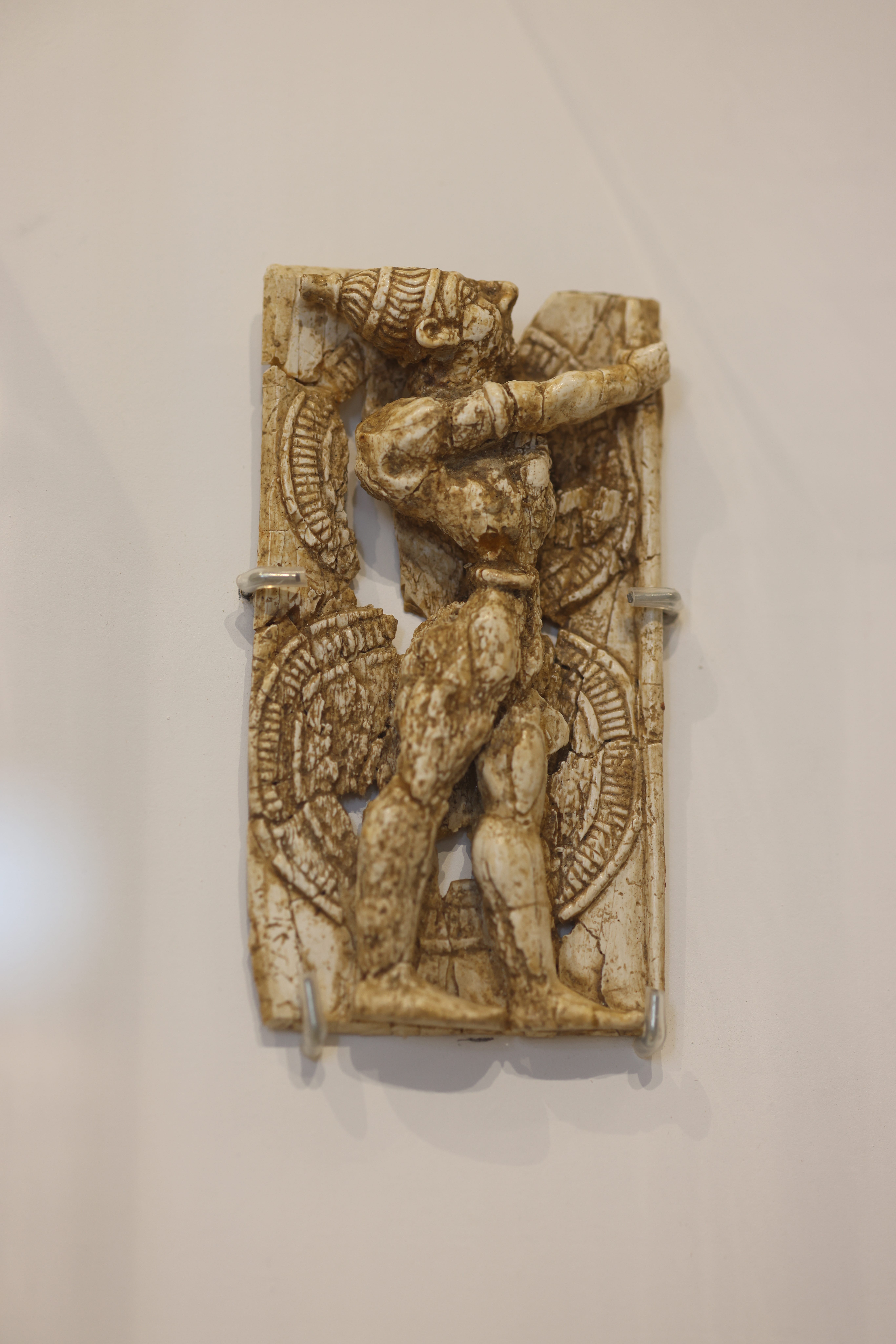
The most impressive find of all from that mythic time of the Iliad and the Odyssey, and one of the most unique found anywhere, is the ivory plaque still housed in the museum today depicting a Mycenaean warrior with large double shield and a boars tusk helmet. With anywhere from twenty to one hundred boars needed to make such an item, the most elaborate of all, which survive in museums all over Greece, were almost certainly symbols of high status worn by high ranking warriors. Thus explaining the proud and somewhat arrogant stance of the figure on the ivory plaque. A helmet was proof of bravery and illustrious heritage, perhaps this figure was even the adventurer who claimed Delos in the first place. A Fifteenth Century BC tomb seen on neighbouring Mykonos may have belonged to a similar adventurer. The sudden growth of many previously obscure mainland sites at this time suggesting a culture of heading out to the world to claim riches and bounty. Items could then be passed down as heirlooms to create links to a heroic past and even form kingships, such as with the helmet given by Meriones to Odysseus in the Odyssey, attesting to the nobility of his ancestors, perhaps having seized or raided islands of the sea.
By the Thirteenth Century BC the tomb on Aggelika had already fallen into ruin, and by the Twelfth Century collapse of Mycenaean Civilisation we simply don’t know what happened to Delos. Whether the inhabitants again took to the mountain, or again to the sea to raid once more, remains entirely speculative. But by the time civilisation arises once more in the early First Millennium BC we begin to have much more evidence.
III - The Birth Of Gods
Today, the mythology of the Ancient Greeks is some of the most well-known in all the world. No doubt significantly contributing to the legendary status of Delos in the Ancient Greek mind. The story of the island being inextricably tied up with the origins of two of the foremost and most popular of all Hellenistic deities.
Artemis, the powerful moon goddess associated with all things of the natural world, and Apollo, the so called ‘most Greek of all the gods’, in charge of light, poetry and music, which in typical grandiose manner the Greeks liked to think they were most popularly associated with. Up on Mount Olympus, as usual, the father god of the Greeks, Zeus was up to no good, sleeping with as many females as he could, be they divine or mortal. When the mother goddess Hera found out about these indiscretions, and of course, she always would, the fate of these women was not enviable.
One such fleeing individual was Leto, a daughter of the Titans Coeus and Phoebe. Having successfully escaping Hera’s wrath by traveling far across the world, Leto eventually found shelter on a strange wandering island. No one else could see this land as it journeyed around the ocean, moving with the waves, so Leto thought it a perfect place to harbour herself and Zeus’ child - not being quite land nor water so safe from the wrath of Hera. For nine days and nine nights Leto laboured there until finally she gave birth to twins. And in that moment, the wandering island which had previously been ‘adelos’ - invisible, became ‘Delos’ - visible.
By the Seventh Century BC in the Archaic Era, the sacred lake near where Leto conceived would become the Sanctuary of Apollo, a haven for pious travellers from afar. Together with the mountain associated with Zeus, Kythnos, becoming major focal points for the island’s sacred geography. In time developing into one of the most important religious sanctuaries in the world. From this time onwards, visitors would arrive from all across the Hellenistic world to honour the gods with wild ceremonies, revelry and sacrifice, described with admiration in the roughly contemporary text known as the Homeric Hymn to Apollo.
At this natural crossroads between Mainland Greece and the colonies of Asia Minor, with trading partners beyond in Egypt, Phoenicia and Syria, outside influence can be seen here too, Delos being something of an international place from the beginning. As early as the Seventh Century BC in the mysterious Archaic Era, around the time Homer would have lived if he had existed as an individual person, and evidenced by the strange naked kouros statues in the local museum today, the neighbouring island of Naxos, always a powerhouse in ancient times, extended its influence here.
At the main Chora of Naxos the power of this one state island can be seen in the truly gigantic Ionic temple they were in the process of creating at the time the Persian invasion fleet of Darius came by in 499 BC. History does not relate what happened to Delos during this pivotal historical moment, but by the time Greece flourished into the Classical Age just after the Persians were thrown out of the Greek mainland and the islands for good at the battle of Salamis two decades later in 480 BC, a new power had arisen, one that had a huge part in the victory. The Fifth Century BC was the age of Athens.
Just a year after the final Persian defeat at Plataea in 479 BC, the major instigator in the campaign, Athens, founded a new sea spanning organisation to ensure another invasion was not successful. Delos was a place of such importance that it would not only give its name to this ‘Delian League’, but act as its focal point and location of its treasury. By 454 BC however it was clear who was in the driving seat, with Athenian leadership having been solidified over the entire league, known by many historians as the ‘Athenian Empire’. In that year the treasury was moved from Delos to Athens itself.
As far as archaeologists are concerned, though significant works of art have been found, Delos was still a relatively modest place at this point, with farm houses scattered around religious sanctuaries. People likely flocking here only at certain times of the year. At other times it being a relatively normal place without a huge population.
By the time war broke out between Athens and the other great power of the Greeks, Sparta in 431 BC, Delos was firmly under Athenian control, like most Aegean islands, contributing ships to the Athenian navy. In the sixth year of the war when leading Athenians went to visit the Oracle of Delphi, they were instructed to remove all dead bodies from Delos to purify the place, relocating the dead to the nearby island of Rhenia and forbidding anyone to be born or die on Delos ever again. By 422 BC they went even further, forcibly relocating the entire population to Athens.
Given the fate of neutral Milos, attacked by Athens in 416 BC for the crime of not contributing to the war effort, seeing all its menfolk killed as a result, its women and children sold into slavery, it could be argued that Delos got off lightly. Though it was irrevocably changed as a result.
Finally in 404 BC the war came to an end with Athens defeated by the Spartan Peloponnesian League. Though by 378 BC yet another Athenian led confederacy was established, this time being called the Second Delian League, surviving until 355 BC and ultimately leading to the final defeat of Sparta.
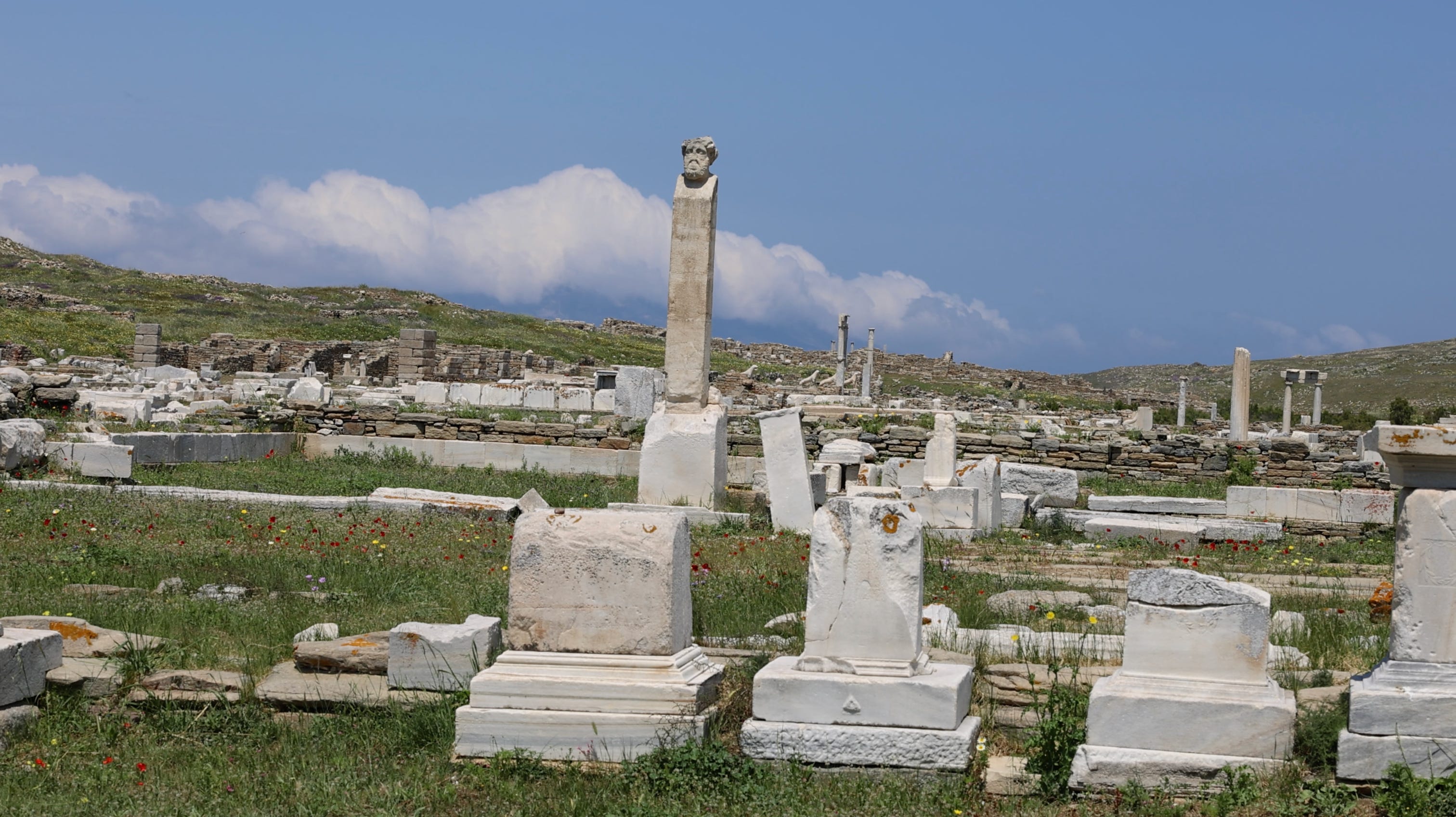
Today, the sanctuary on Delos with it’s large public squares, buildings and even structures dedicated to foreign religions, like Egyptian gods Anubus, Sarapis and Isis as well as Syrian Gods Hadad and Atargatis form a completely unique group of architectural monuments, covering a long period from the Seventh Century BC all the way through to the First Century BC. However, for the most part, the sprawling series of ruined structures we see today between the port and the sacred mountain stem from one particular period. For in 166 BC due to the politics of the day and a new economic policy, Delos saw an incredible boom in population. The new bosses in town, and controllers of the fate of the Aegean, taking over the island and declaring it a free port. In the space of just a few decades people from all over the world would flock to make their fortunes, whether in the business of trade, or serving those who were. Of course, this was the age of the Romans.
IV - Heart Of The Sea
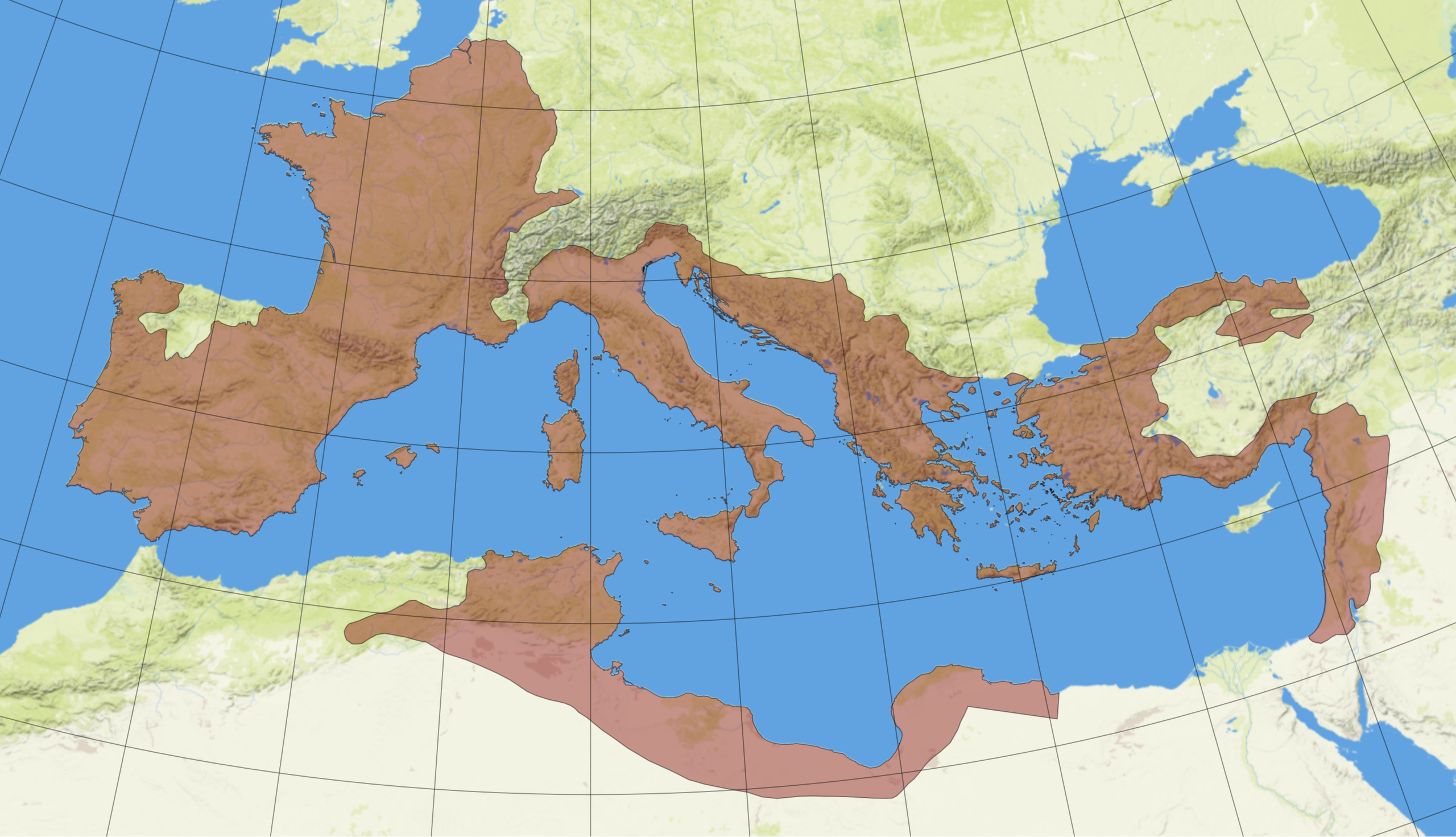
By the middle of the Second Century BC a new master rose to the fore in the Aegean. First had been the Macedonian successors to Alexander the Great, then a confederation of Greek city states under The Achaean League, and finally by 146 BC, came the age of the Romans. For in that year not only was Carthage destroyed in the east, but the foremost Greek city of Corinth put to the sword in the west, leading to the total Roman domination of Greece, the end of the Hellenistic age, and the inundation of Roman slave markets with hundreds of of thousands of new Greek captives.
The Sack of Corinth in 146 BC however, more than most other conquests the Romans ever achieved, had the effect of irrevocably altering the conquerers. Though now militarily and politically in charge of the entire Classical Greek World, Rome found itself exposed to the totality of a culture most of its citizens viewed as superior to its own. In light of this vast cultural influence by the conquered, nothing could stay the same. The age of the Greco-Romans had begun.
And in this new world of Mediterranean unity the Romans needed a commercial hub, a single location they could develop as an alternative port of call to the traders coming in from the east, in part to rival the trade rich city of Rhodes. Some twenty years before the destruction of Corinth they’d made their decision, in 166 BC, choosing the island of Delos for its neutral location, already existing game as a religious centre and its deep harbour, as a free port, exempt from taxes.
In 146 BC when Corinth and Carthage fell, vast numbers of slaves would be processed through Delos to be transferred to the rest of the Roman world. According to Strabo the harbour being capable of admitting and sending away ten thousand slaves in a single day. In no time at all becoming ‘The maximum emporium totius orbis terrarum’ - the largest trading centre in the world.
The financial implications of paying no taxes not being lost on the ambitious businessmen of the burgeoning Roman Republic, organisations all over the Mediterranean were quick to incorporate the island into their organisations. And as they did so, yet more ships would arrive, continually unloading and loading up on all manner of goods and human cargo. Today in a recent study it was estimated that as many as one hundred and fifty large cargo ships of 250 tonnes capacity or more could anchor simultaneously in the harbour with another one hundred smaller passenger vessels and fishing boats with no issues.
By the time Corinth burned in 146 BC, located conveniently on the route from Italy to Greece and Asia, Delos became the undisputed transit hub of the entire Roman Mediterranean. These days of plenty are described in the works of many historians and writers of the era, but most obviously they can be seen in the unusually rich archaeology left behind. Still coating near enough every corner of the island. Not just temples and administrative buildings, but restaurants, shops, hotels, hostels, fast food stands, taverns and brothels, the latter situated in new quasi-red light districts that coalesced around the harbour to serve travellers coming in from afar.
Others still settled permanently, a number of rich private houses having been excavated, complete with mosaics, wall frescos and statues. Likely to be the properties of the bankers, ship owners and wealthy merchants who’d traveled to Delos to take part in the boom, it was they who financed the host of engineers, builders, architects and potters who also flocked to fulfil the needs of their wealthy patrons. Originating from all corners of the Mediterranean world and even beyond in Egypt, Asia Minor and the Near East, by around 90 BC, the especially cosmopolitan population of the island had risen to as high as 25 or even 30,000. As far as we can tell these people lived in peace in Greek style houses, and adopted a Greek way of life. Their children studied in the same gymnasiums, they were able to worship whatever gods they chose in their own sanctuaries and lived harmoniously without serious problems. And in this new age, albeit in a different way, the festival continued too. The Romans now obsessed with the Greek world, a commercialised version of the festival of Apollo would continue, Delos becoming a sort of Dubai of the Classical Age.
With every new ship coming into the harbour at Delos not only merchandise but people and ideas were brought in, as well as news from every other coastal city of the Mediterranean world, seeming a small neighbourhood along the edges of the Roman lake. It was a world full of opportunities, not just for men, who made up the large majority of visitors, but women too. One building that was recently excavated showing a fascinating snapshot of life on the island at the very height of its prosperity.
Apparently opened in the Second Century BC to quench the thirsts of foreign visitors, the tavern served only wine, either hot or cold, along with a number of snacks and nuts. Not too dissimilar to a busy tavern today in London or New York, patrons would stand, either by the wooden counter or out on the street if weather permitted. The woman who lived in the upstairs room was of most interest to archaeologists however. With wildly differing opinions of who she was. Like similar discoveries in Pompeii she may have been a prostitute, the proprietor of the establishment, or even both. It’s possible she also had a more specialised business model, engaging in the sale of amulets, spells, curses and fortune telling to those who came by. Her small fortune was excavated too, including at least one hundred and twenty coins from all over the known world. In an example of proto-free market capitalism and one of the strongest indicators for Delos’ prosperity we will ever see, the lady seems to have had no issue in being paid with foreign currency, probably being easily exchanged at one of the islands banks.
While coins are found from all over the burgeoning Roman republic, a clear skew to those of the east can be seen, with only a few from the west being present, and none from the surrounding Cycladic islands. Both the flow of trade and the identities of transient merchants and sailors clearly having an eastern bent, just as the Romans always would. But with great wealth comes great risk. The only reason we can see such detail at the tavern is because of its complete destruction by fire, never to be rebuilt. Delos’ prosperity would burn bright, and go out just as quickly. Not lasting even a hundred years.
V - How A City Dies
In 88 BC, after a brief intermission, war returned to the Aegean Sea. Buoyed up by recent victories in Asia Minor, this was the age of one of the greatest foes the Romans ever fought - Mithridates VI Eupator, the king of Pontus. In legend, and probably in reality too, Mithridates made himself immune to poisoning by micro-dosing it from a young age in the intense back-stabbing world of rival Hellenistic dynasts from which he emerged, and now he would wage his vendetta against Rome.
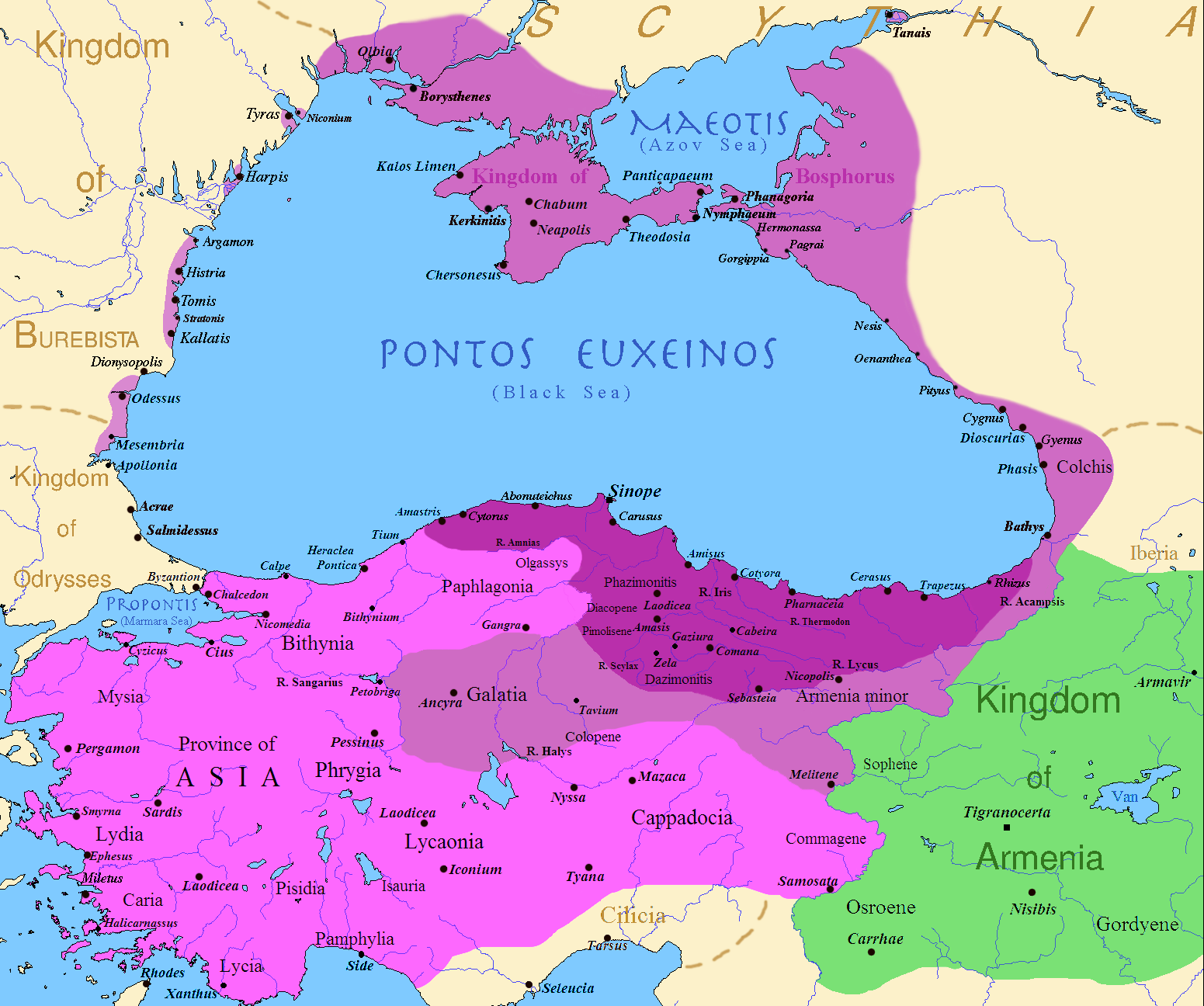
In that year, in the midst of the final titanic attempt at dominion in the Eastern Mediterranean by a Hellenistic ruler, Mithridates personally came to Delos with a fleet to ravage the place. Rome reacted however and by 69 BC the island had largely recovered to its former glory. But Mithridates was not finished. In that year, as he fought hard to restore lost territories and maintain the web of allegiances that had made him strong over the long decades of his kingship, the ruler of Pontus launched his loyal subordinate, a pirate Lord named Athenodoros, to return to Delos. This time the damage would be terminal. There is a reason why we know so much about the place, like Akrotiri, Pompeii and the ancient Assyrian capital of Nineveh, it wasn’t just burned down but left in such a state that it would never recover. Like Corinth before it, vengeance was final.
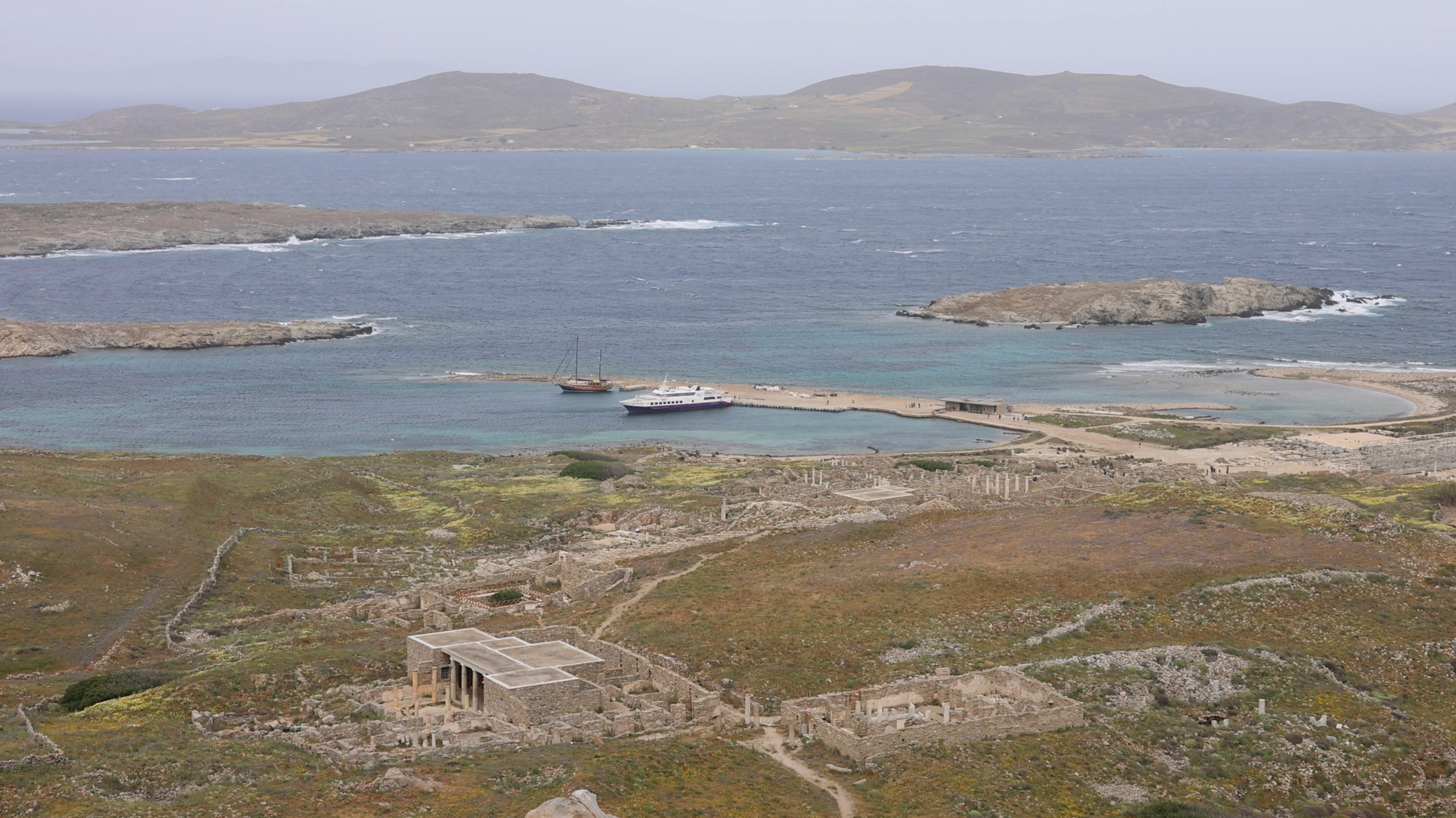
Thanks to the well excavated taverns and town houses of the city as well as various other finds on the island we can now piece together its final day. Like Pompeii, a snapshot of a thriving settlement before the end
It was a winters evening when the pirates first arrived. Unfortunately for the locals their guard was down, and most were inside sheltering from the cold. At the tavern, customers stood around the burning brazier or the bar. A total of 38 cups were in use, found fallen in the floor in the chaos that ensued. Soon the burning brazier would spread to the entire building, the settlement suffering conflagration to such an extent that it is still particularly evident in the archaeological record, mainly in the north quarter of the city.
Further into the island an amphora had been lowered into a well earlier in the evening to keep its contents cool for evening drinks. It was never retrieved. Elsewhere a desperate woman buried her jewellery and similarly never returned.
Like the similarly ravaged Bronze Age city of Akrotiri on Thera no bodies have been found. Some lucky ones may even have escaped, but for most their absence may well be as a result of their being taken into slavery. Harsh retribution or draconian justice perhaps for the many tens of thousands who’d passed through the Delian slave pens over the previous century.
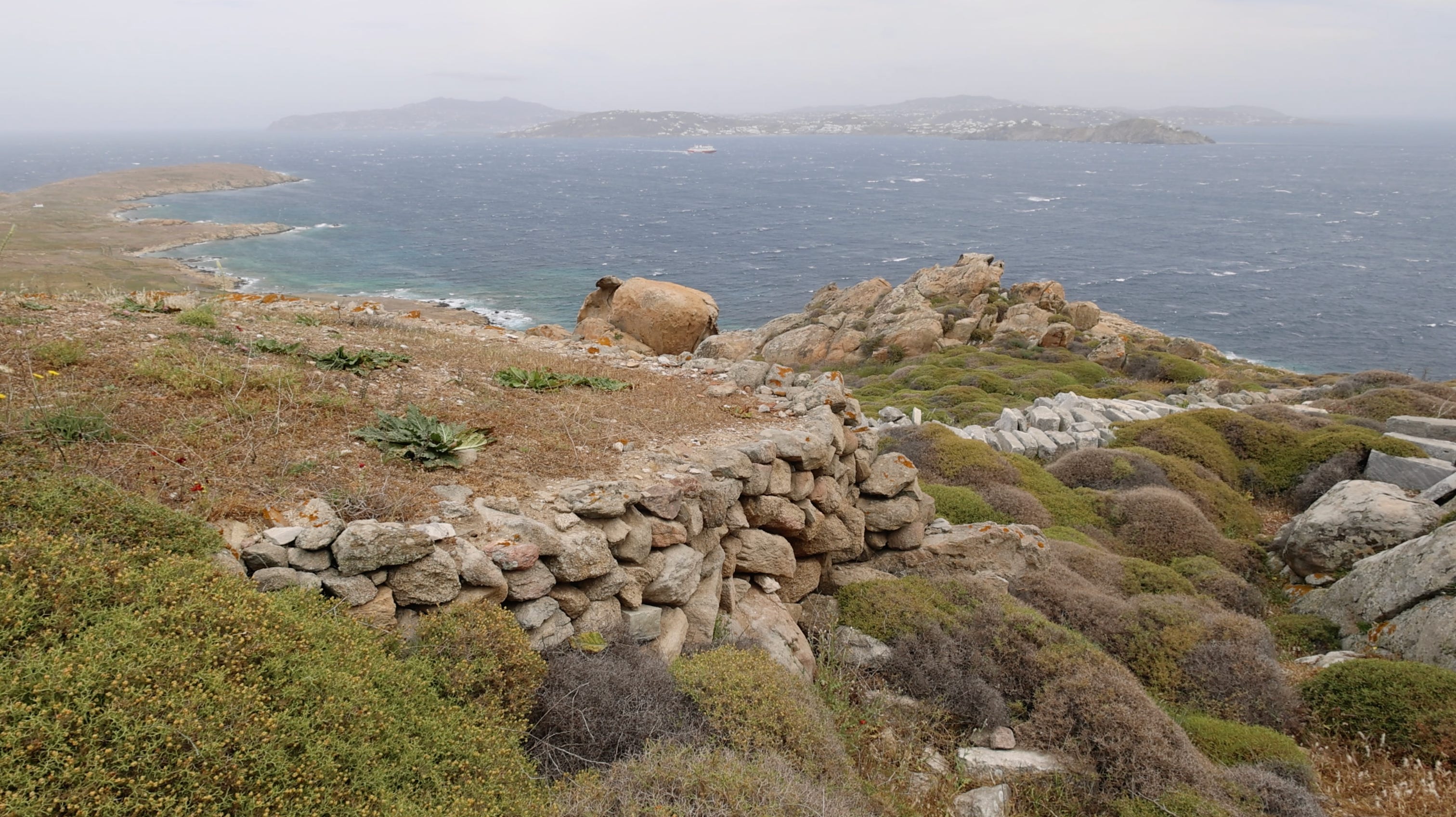
Delos would not recover this time. The calamity that had befallen its population twice would not be allowed to happen a third time. The former prominence and tax exemptions of the island now being transferred to harbours further to the west. And with the final defeat of Mithradates in 63 BC as direct Roman rule extended to the east they would make their bases there too in other nodes on the east-west nexus. The wealthy merchants, shop owners and bankers moved on.
By the Second Century AD when the apologist Tertullian wrote the following words - ‘And Samos shall become sand and Delos unseen’, Delos and it’s still visible ruined structures had become a by-word for desolation and abandonment, frequented now by only a handful of shepards and solitary visitors from elsewhere in the islands. Once blessed by the gods, the island had become invisible once more.
Finally, by the early Christian period when such pagan associations were officially shunned, this isolation served to bring the island into some small prominence once more. Like in ancient days when religion had been foremost in dictating the islands fate Delos once more became an important sanctuary, though not frequented by anywhere near the same numbers as in elder days. For a few hundred years then from around the Third Century AD, Delos served as the headquarters of the Bishop of the Cyclades, to which the flocks of Kea, Seriphos, Syros and Mykonos prayed.
By the later Sixth Century AD and onwards piracy had definitely returned. The pendulum swing between golden age and dark age having turned back to the latter - a deep dark lasting more than a thousand years. Only by the Nineteenth Century with the defeat of the Ottoman Turks could this dark age in the Aegean be said to have truly come to an end. Pirates are unheard of in the Mediterranean today, but who’s to say another one won’t arise again, with marauders taking back to the seas as they have throughout history.
Delos is a phenomenal place to visit today, steeped in myth, history and archaeology. Depending on the weather conditions range from deep and ominous to light and airy. I can’t recommend it enough. Thanks and see you next time. Let me know about your experiences on Delos in the comments, and here is a 6.5 hour film I made earlier on the entire history of Mycenaean Greece -
This is a wonderful description of history - thank you so much - I will watch the long video later today - you have such a brilliant way of pulling us into the story !!!